OVERVIEW


ImmersiveProjection.com is an independent reference resource maintained by working professionals in the projection mapping industry.

The site is designed to give clients, event planners, and venue operators accurate, practical information about the technology, the production process, and what it costs. No single company operates this resource. Content reflects the standards and common practices of the field as it currently exists.


WHAT IS PROJECTION MAPPING?

Projection mapping is the technique of aligning projected imagery to the contours of a physical surface, whether a building facade, a sculpture, or a stage set, so that light and content augment and enhance the object itself.

It requires video projectors, specialized mapping software, and purpose-built visuals. The defining step is the mapping process, in which the digital content is precisely calibrated to the geometry of the surface so that the projected image creates the appearance that the object has been transformed and magically brought to life.


SPACES FOR
PROJECTION MAPPING


Projection mapping is applied to a wide range of surfaces, each with its own technical and logistical requirements.

The type of surface determines the projector setup, content approach, and overall production scope.


ARCHITECTURAL PROJECTION MAPPING

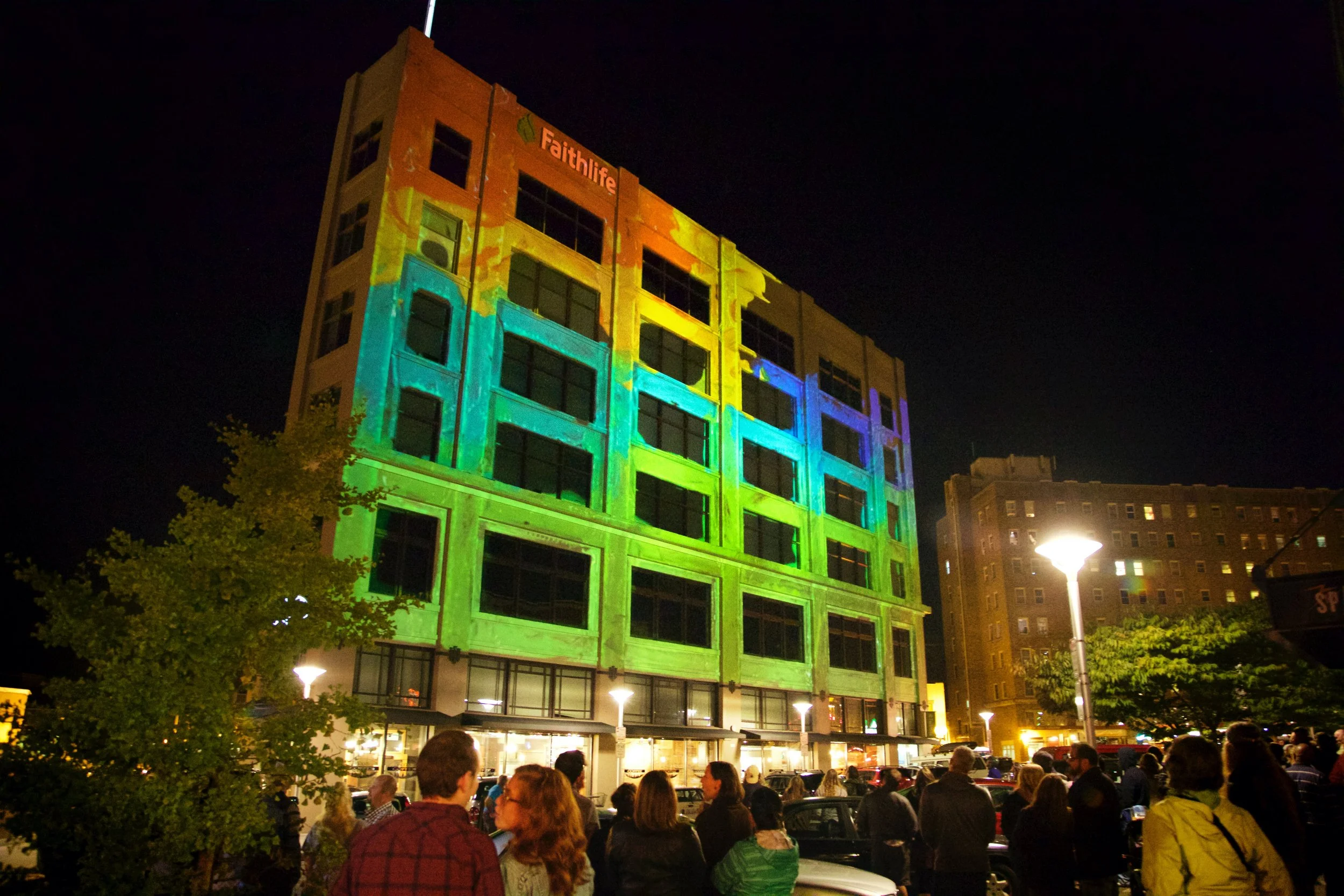
Building facades, monuments, and large outdoor structures are among the most common surfaces for projection mapping. The 3D geometry of architecture, including corners, recesses, and relief details, allows content to appear to physically reshape the structure. Events of this scale are typically visible from a significant distance and are held after dark to maximize contrast and impact.

The Herbst Theater in San Francisco, CA is a documented example of projection mapping used to enhance a live event venue.


IMMERSIVE ROOM PROJECTION

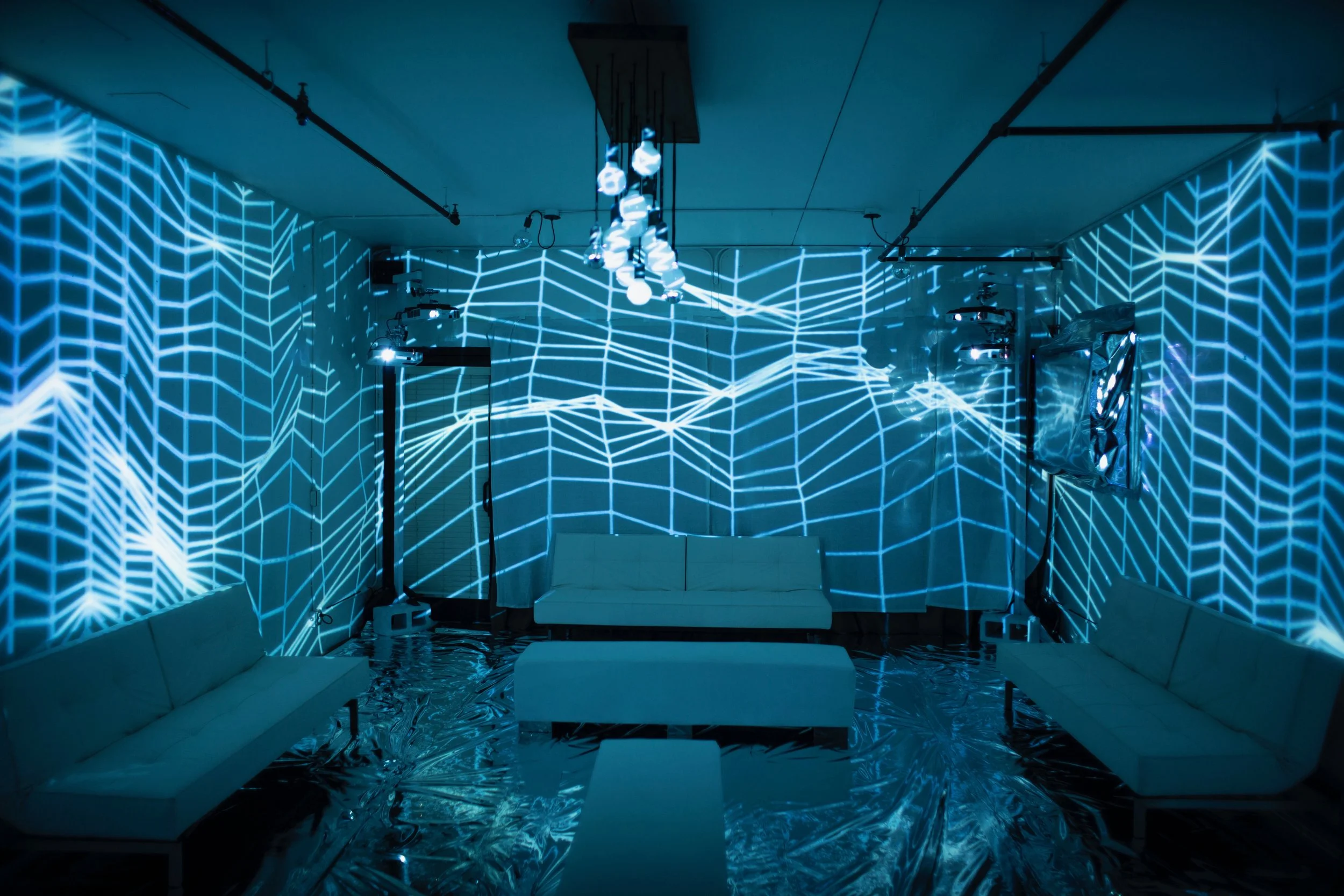
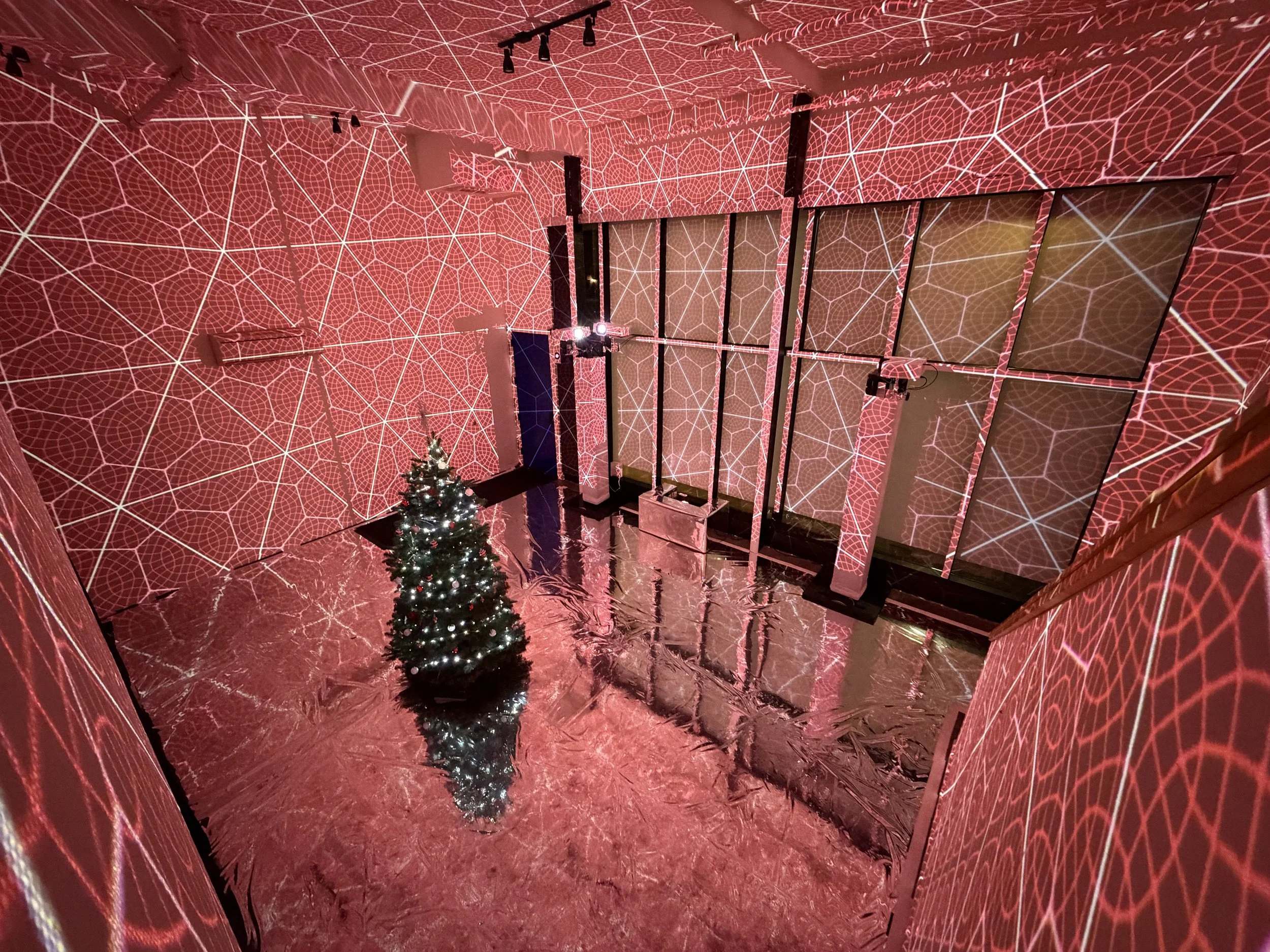
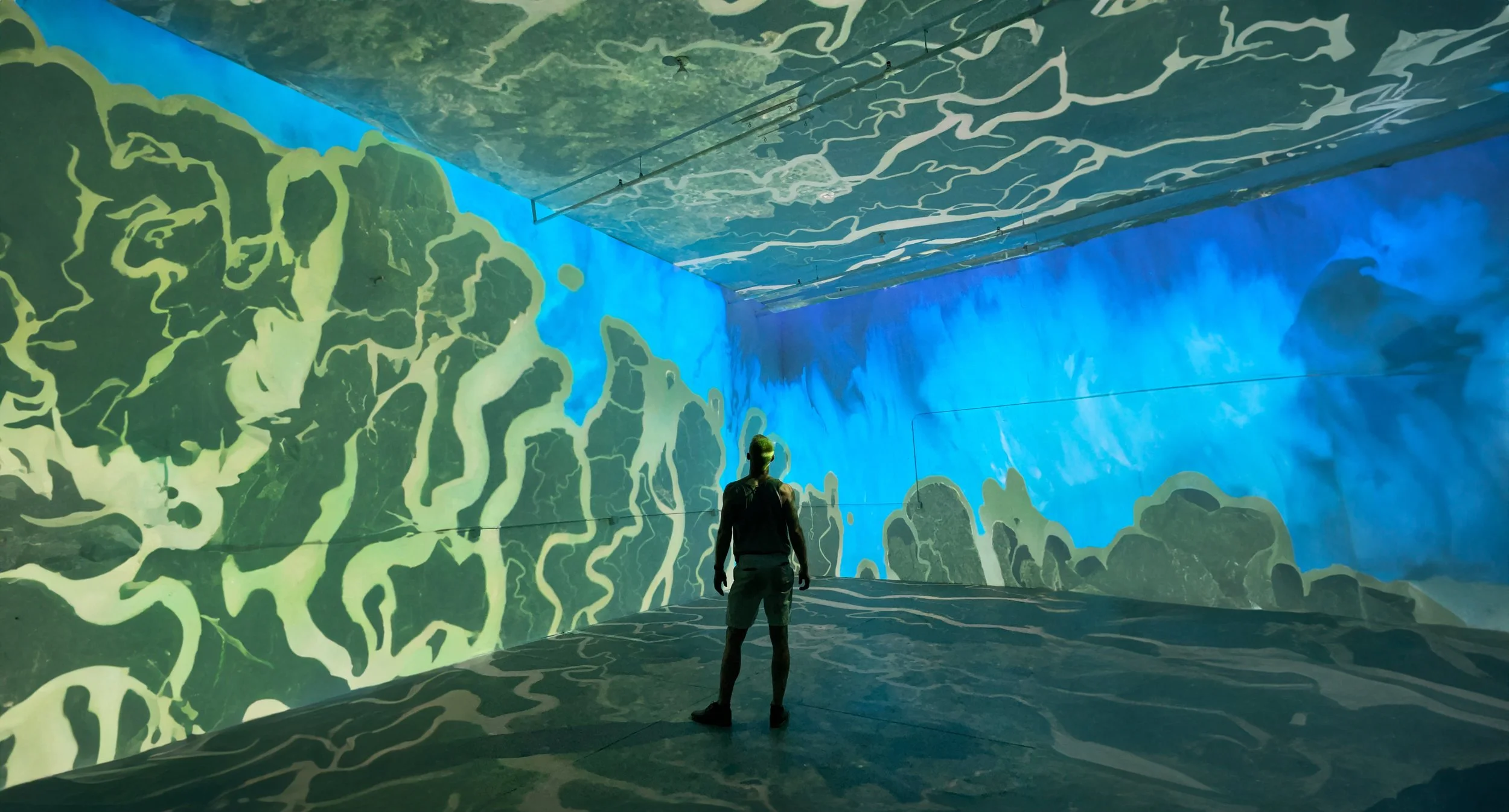
Projection mapping applied to the walls, floor, or ceiling of an enclosed space creates an environment where visitors are surrounded by moving imagery. This format requires little to no existing architectural detail and performs well in venues with controlled lighting, including galleries, pop-ups, and event spaces. Content can span 2 walls or all 6 surfaces depending on the projector count and room configuration.

The Fremont Foundry in Seattle, WA converted an existing room within their venue into a dedicated projection mapping experience for private events and guests.


DOME PROJECTION

Dome environments use a hemispherical or fully spherical surface to create a continuous 360 degree visual field. The curved geometry requires specialized software for content warping and blending, and the enclosed nature of the space allows for precise control over the viewing experience. Domes are well-suited to custom-produced content and are used in both permanent installations and temporary event structures.

The Dome at Hi-Lawn DC demonstrated how a 50-foot geodesic dome installed on a rooftop can function as a fully self-contained projection environment built from geometry, light, and sound.


STAGE, CONCERT & THEATER PROJECTION

In live performance settings, projection mapping is applied to set pieces, scrims, and purpose-built stage structures. Because content must be precisely timed to music, cues, or performer movement, this application relies on show control systems and detailed pre-production scripting. The approach works best when the scenic design is developed in parallel with the projection content.

Summer Meltdown Music Festival deployed projection mapping across a live electronic music stage using custom 3D scenery and visuals mixed in real time.


PROJECTION DINING

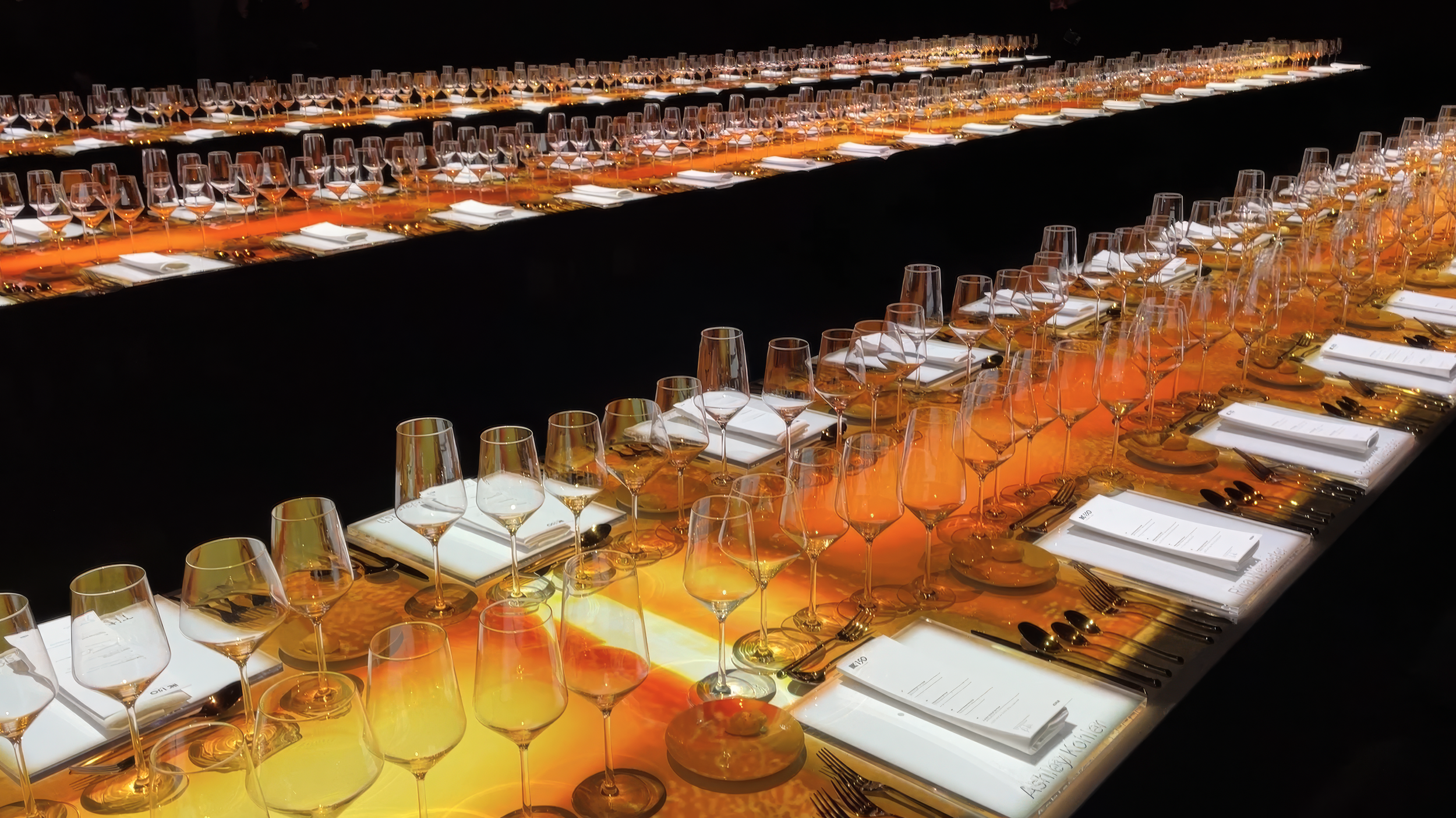
Projection dining maps content directly onto tables, place settings, and plated dishes in coordination with a dining experience. Content is synchronized to specific courses and timed to run as each plate is presented, creating a connection between the visual and culinary elements of the meal.

Productions such as The Radiant Table established this format and drove significant public awareness of the technique.


OTHER OBJECTS & SCULPTURES

Projection mapping applied to 3D objects requires precise alignment between the content and the physical geometry of the surface. Objects including vehicles, statues, fabricated props, and large centerpieces are common applications. Because every surface is unique, content is built specifically for each object and cannot be repurposed across projects without significant rework.

The Bumbershoot Music Festival applied live projection mapping to a 100-foot water fountain at Seattle Center, feeding live video from festival stages directly onto the sculpture in real time.


USES FOR
PROJECTION MAPPING


Projection mapping serves any occasion that demands to be remembered.

Projection mapping is used across live events, permanent installations, and everything in between because it transforms existing architecture and surfaces into active visual elements without permanent alteration. The applications range from a single-night wedding reception to a lobby installation running 365 days a year.


ANNIVERSARIES

Milestone occasions require a format that feels both significant and site-specific. Projection mapping integrates the building or venue itself into the commemoration, making the space part of the story rather than just its backdrop.

The City of Boise took this approach for the Depot 100th Anniversary celebration in Boise, ID.

ART MUSEUMS & GALLERIES

Projection mapping gives cultural institutions a format that goes beyond static display, engaging audiences across age groups with large-scale light-based work.

The JUMP Building has hosted this format annually through the ILLUMIBRATE Festival in Boise, ID.

CASINOS

Attention and spectacle are core to the casino environment, and projection mapping delivers both at architectural scale without the permanence of a renovation.

Running Aces Casino applied it to their main entrance in Minneapolis, MN, using the existing facade as the canvas.

CHRISTMAS & HOLIDAYS

Seasonal projection mapping has become a competitive differentiator for retail centers and commercial properties that need to stand out during peak foot traffic periods.

Pacific Place ran a full building projection through the holiday season in Seattle, WA.

CITY BEAUTIFICATION

Projection mapping extends urban art programs by animating existing murals, architectural surfaces, and public spaces after dark without permanent modification.

The Woodworth Apartments brought this to Capitol Hill in Seattle, WA, turning a residential facade into a recurring visual landmark.

CORPORATE EVENTS

Conference and product event environments use projection mapping to reinforce brand presence and deliver messaging at a visual scale that standard AV cannot match.

Microsoft used the format for their entrance activation at MOHAI in Seattle, WA.

EXPERIENTIAL SPACES

Pop-ups, branded lounges, and private dining experiences use projection mapping to define atmosphere and distinguish the space from conventional venues.

Villa Fleur built a custom 50-foot projection dome for exactly this purpose in Phoenix, AZ.

FILM & TV PRODUCTION

Projection mapping serves as a practical alternative to green screen and LED volume walls in virtual production environments, allowing studios to build light-reactive backdrops directly onto white cyclorama walls or custom scenery at a fraction of the cost of LED panel infrastructure.

Visionkit Studio in Garden City, ID incorporated this into their facility from the ground up, debuting the setup at their grand opening.

GALAS, FUNDRAISERS, & AWARD SHOWS

High-profile benefit events use projection mapping to elevate the production value of the room, reinforcing the occasion and supporting donor engagement through intentional visual design.

The Boys & Girls Clubs of Phoenix, AZ used it as the centerpiece of their annual Star's Gala.

GRAND OPENINGS

A single-night opening requires immediate and lasting impact. Projection mapping activates the existing architecture of a building or outdoor space without the lead time of permanent installation.

The Collective leaned into this for their outdoor-themed grand opening in Seattle, WA.

HOTELS & HOSPITALITY

Luxury and boutique properties use projection mapping to extend their visual identity into public-facing spaces, reinforcing brand character for guests from arrival through their stay.

Hotel Z brought this to their rooftop in San Diego, CA.

CHURCHES, TEMPLES, & HOUSES OF WORSHIP

Congregations use projection mapping on sanctuary walls, custom scenic structures, and large-format screens to reinforce sermon themes and elevate the visual experience of services and seasonal events. The format scales from a single projector on an existing wall to full architectural coverage of historic church interiors.

LOBBIES & ENTRANCES

Corporate lobbies and building entries use projection mapping as a permanent or rotating statement piece that communicates brand identity at scale.

Amazon integrated the format into their lobby in Seattle, WA, creating a visual presence at the point of entry.

MUSIC FESTIVALS & CONCERTS

Stages and venues have used light as a core production element for decades, and projection mapping scales that capability to the full architectural surface of a performance space.

Treefort Music Festival has featured it on the Bandshell Stage in Boise, ID.

RETAIL & STOREFRONTS

Storefronts and showroom windows use projection mapping to command street-level attention after hours, turning glass facades and 3D display forms into active visual environments without permanent signage.

The Porsche dealership in Bellingham, WA used the format for the Taycan Unveiling Party by activating the showroom exterior and the car itself as part of the launch.

SPORTS & ARENA EVENTS

Playing surfaces, stadium facades, and arena floors have all become projection mapping canvases, extending the visual production of a game or match beyond the scoreboard and into the environment itself.

1024 Architecture set an early benchmark for the format with their TETRA.Tennis court projection at the Paris Tennis Masters at Bercy in Paris, France.

THEME PARKS & SCIENCE CENTERS

Permanent and traveling attractions use projection mapping to deliver themed environments that respond to visitors through motion and interactivity, making the technology itself part of the experience.

The 5000 Watts pop-up STEAM showcase in Sacramento, CA used this approach for an interactive educational installation designed specifically for younger audiences.

TRADE SHOW BOOTHS

In environments where attendees are moving fast and every booth is competing for attention, projection mapping provides immediate visual differentiation at the moment of first contact.

Kohler demonstrated this with a dome projection activation at Salone del Mobile in Milan, Italy.

WEDDINGS

Reception venues that would otherwise read as generic benefit significantly from projection mapping, which replaces static decor with light-based environmental transformation

Union Station in Tacoma, WA has become a recognized setting for this, with couples using the architecture itself as part of the ceremony design.

 

HIRE A PROJECTION
MAPPING STUDIO


Selecting the right studio is the first step toward a successful projection mapping project.

The following resources cover recommended studio, companies, realistic investment ranges and pricing, plus production timelines.


RECOMMENDED STUDIOS & COMPANIES

The following studios represent a cross-section of professional projection mapping practice across the United States and Europe.


NOVA Light Labs
United States
Boutique projection mapping studio specializing in live events, permanent installations, and custom visual content. Recommended for mid-to-large productions where full-service execution and direct creative collaboration are the priority.

1024 Architecture
France
European-focused design and technology studio known for generative and interactive projection work at festivals and cultural institutions. Select international engagements.

A3 Visual
United States
Full-service production studio with a strong track record in live events, architectural mapping, and large-scale activations. Serves corporate, civic, and entertainment sectors across the United States.

Moment Factory
Canada
One of the most widely recognized studios in the field. Specializes in large public installations, touring concert productions, and permanent works across entertainment, transit, and cultural infrastructure. Scope and budget typically skew large.

Vitamin Studio
Spain
Independent studio focused on interactive installations, projection environments, and audiovisual performance. Work spans cultural venues, exhibitions, and branded experiences across Europe.


COSTS & PRICING

How much a projection mapping project costs are determined by surface scale, event duration, indoor or outdoor environment, content complexity, and whether audio or interactivity is required.

No two projects are priced identically.

Live Events

Live event projection mapping typically costs between $10,000 and $100,000. Most professionally produced events fall in the $20,000 to $50,000 range. Projects below $10,000 are not typical for productions requiring professional equipment, crew, and logistics.

Permanent Installations

Permanent installations range from $20,000 to $250,000 or more. The $50,000 to $100,000 range covers most single-venue configurations. Projects involving large architectural surfaces, multi-room environments, or long-term maintenance requirements fall toward the upper end.

Custom Visuals

Custom visual content is priced by scope. Relevant factors include resolution, animation complexity, number of deliverables, and revision cycles. Most professional studios price visual projects between $1,000 and $20,000, with $5,000 to $10,000 representing a full production-quality content package.

AI-generated content is not suitable for professional projection at scale. Quality degrades significantly at projection resolution and it is not a replacement for purpose-built visual content.

Agreements and Deposits

Any reputable studio requires a signed agreement and deposit before work begins. The standard structure is 80% deposit with 20% due on completion. Any arrangement requiring full payment upfront or 100% on delivery is outside industry standard.


TIMELINE & LEADTIMES

All timelines begin at contract signing and deposit, not at first contact.

Live Events

Minimum lead time is 4 to 6 weeks. Most studios are booked 3 or more weeks out, and equipment, logistics, and travel require advance planning. 8 weeks or more is preferred for complex productions.

Permanent Installations

Minimum lead time is 6 to 12 weeks, and larger projects frequently require more. Site surveys, procurement, structural coordination, installation, and staff training all extend the schedule. Systems built to run for years require proportional planning time.

Custom Visuals

Most visual content projects require 2 to 6 weeks, accounting for creative development, rendering, and revision rounds.


FREQUENTLY ASKED
QUESTIONS

CONTACT